Which Swiss Travel Pass Should You Choose? A Complete Guide

For a relatively small country, Switzerland packs an incredible punch. You can be cruising on a lake in the morning, admiring a glacier by lunchtime and enjoying fondue in the mountains in the evening - all on one ticket. Whilst the country might have a somewhat justified reputation for being expensive, travel passes can make exploring it surprisingly affordable and simple.
Depending on the pass you choose, you can get unlimited free travel by bus, boat and rail, free entry to countless museums and other attractions and significant discounts on privately-owned mountain railways and cable cars. Better still, Swiss trains, buses and boats are some of the best in the world. They’re clean, punctual and venture to pretty much every corner of the country, including otherwise remote villages and peaks high up in the Alps.
Most visitors will already have heard of the Swiss Travel Pass, but it’s far from the only option. The Half Fare Card and the various regional passes can often work out even better value depending on your itinerary.
As a general rule, the Swiss Travel Pass is usually the easiest choice for travellers moving between multiple destinations across Switzerland. The Half Fare Card suits visitors making fewer journeys but still interested in local excursions, while regional passes offer the best value if you're spending most of your trip in one area.
Swiss Travel Pass and Swiss Travel Pass Flex
If you’ve looked into travelling around Switzerland before, chances are you’ve already come across the Swiss Travel Pass.
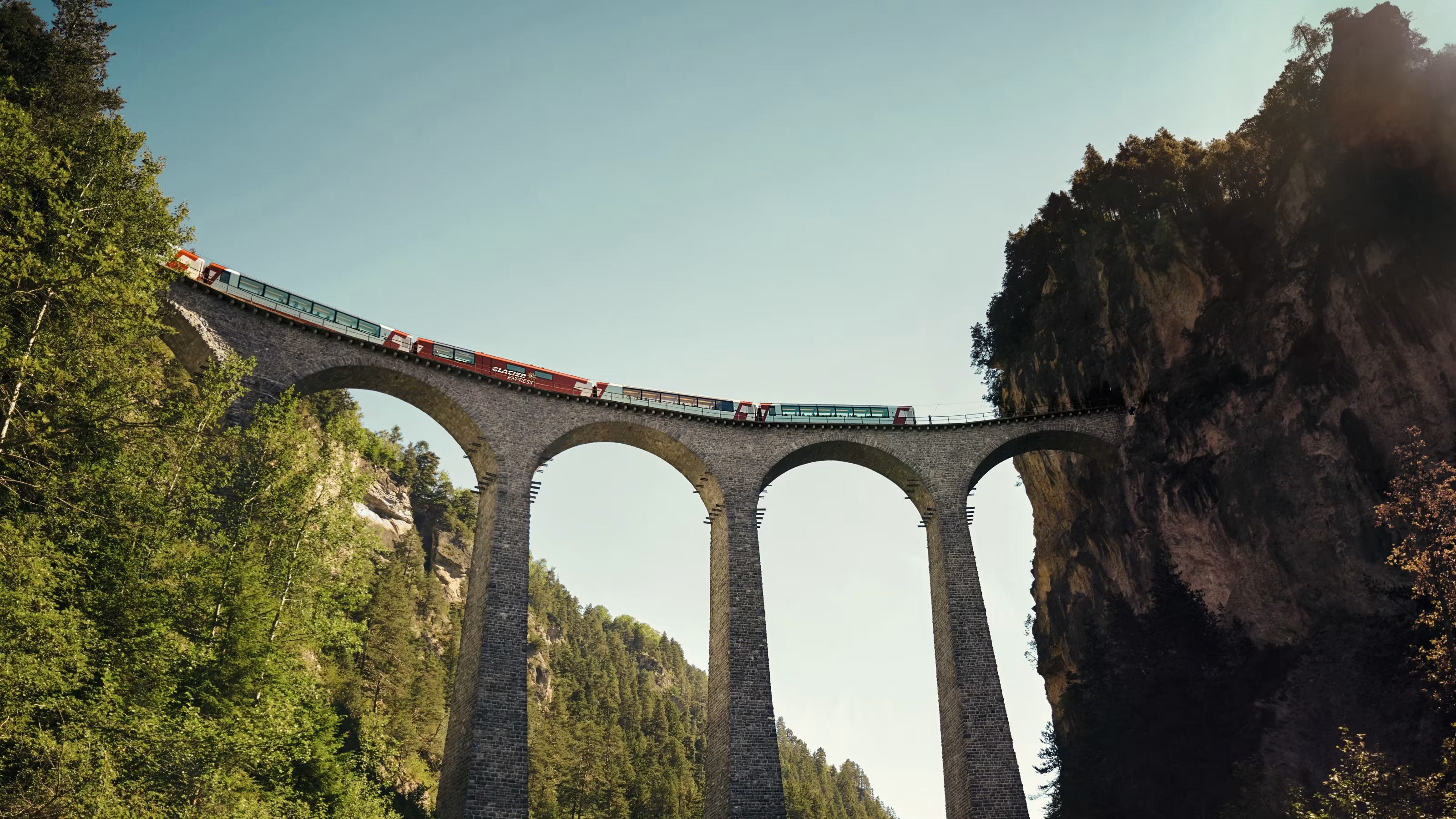
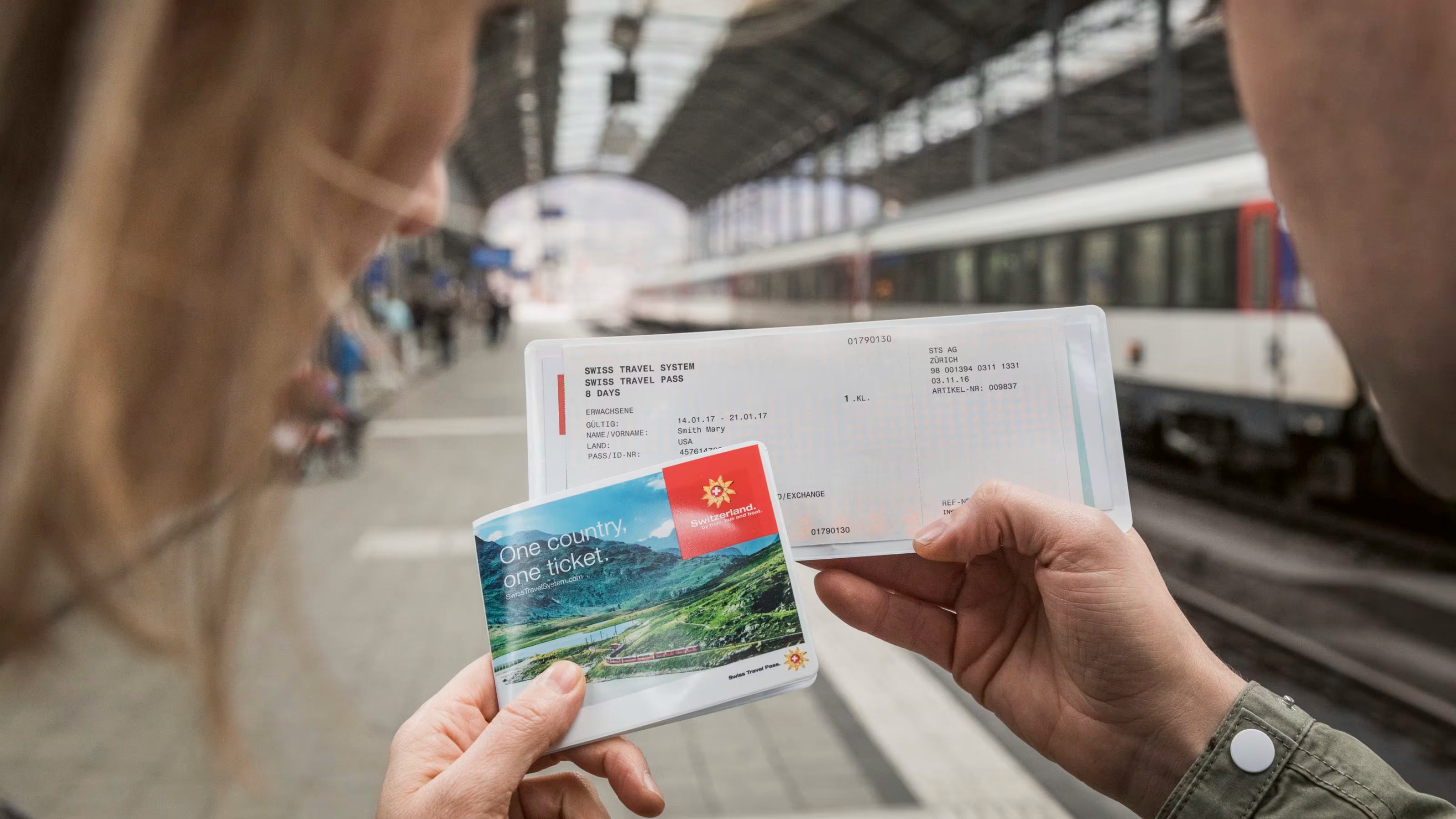
It’s the all-in-one option and easily the most popular pass for international visitors. The pass gives unlimited travel across Switzerland’s public transport network, including trains, buses and boats, making it incredibly easy to move around the country without constantly buying different tickets.
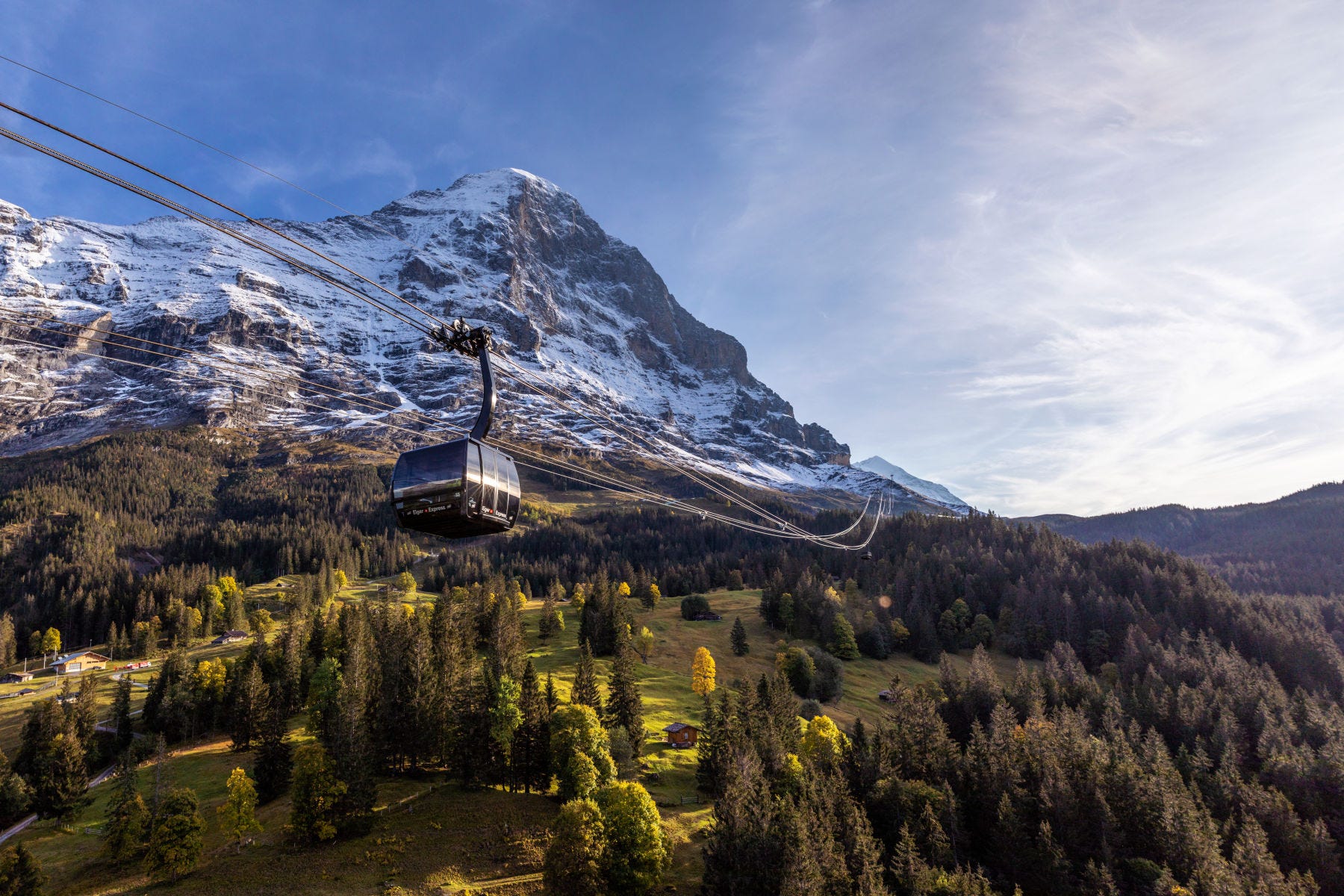
On top of this, the Swiss Travel Pass also includes free entry to more than 500 museums across Switzerland, significant discounts on mountain railways and cable cars as well as fully included excursions such as Mount Rigi, Stanserhorn and Stoos.
The standard Swiss Travel Pass is available for 3, 4, 6, 8 or 15 consecutive days in first or second class. If your trip is a bit more relaxed or you’re staying in certain places longer, the Swiss Travel Pass Flex can often make more sense. This works in the same way, but allows you to use your travel days flexibly within a one month period. The downside with the Flex pass is that on the days the pass isn’t ‘active’, you’re not eligible for any discounts. A good way round this is to simply combine the pass with the Half Fare Card so that you can still enjoy discounts on non-travel days.
Swiss Half Fare Card
The Swiss Half Fare Card is often overlooked by first-time visitors, but it can actually offer some of the best value-for-money overall.
Instead of giving unlimited travel, the Half Fare Card allows you to buy tickets across Switzerland’s transport network at 50% off for an entire month. That includes trains, buses, boats and many mountain railways.
At CHF 149, the card often pays for itself within a journey or two, especially once you start adding mountain excursions into your plans.
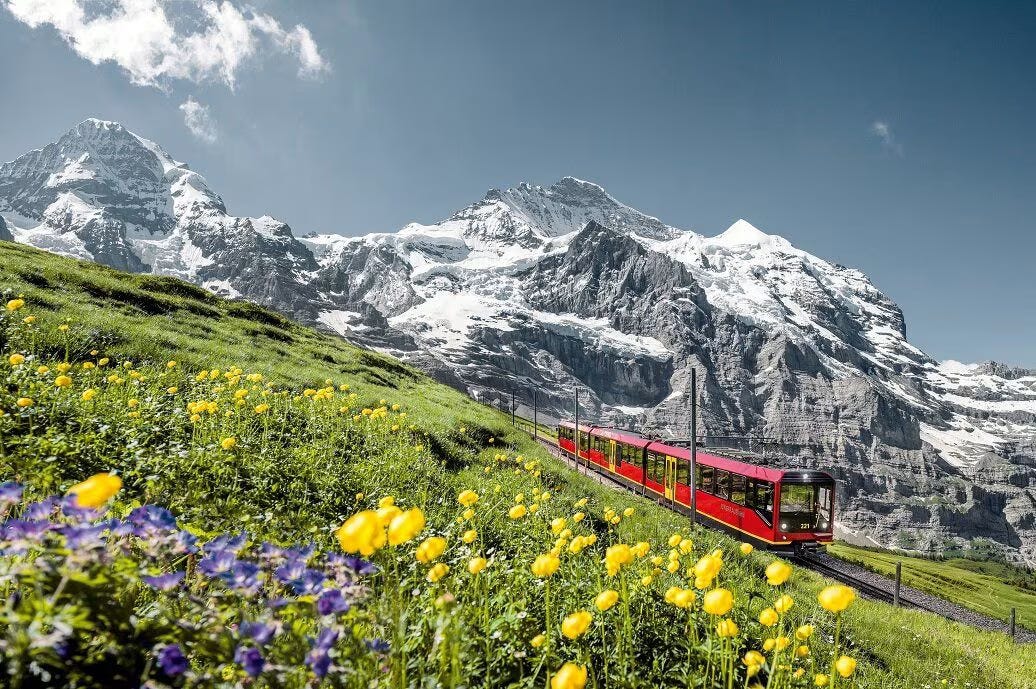
In some cases, the discounts are even better than the Swiss Travel Pass. A good example is the Jungfraujoch, where Half Fare Card holders receive 50% off tickets, compared to 25% off with the Swiss Travel Pass.
For travellers doing fewer long-distance journeys, staying in one region for longer, or booking excursions individually, the Half Fare Card often works out as the better option financially.
Swiss Family Card
Before moving onto regional passes, it’s really worth mentioning the Swiss Family Card which can sometimes fly under the radar.
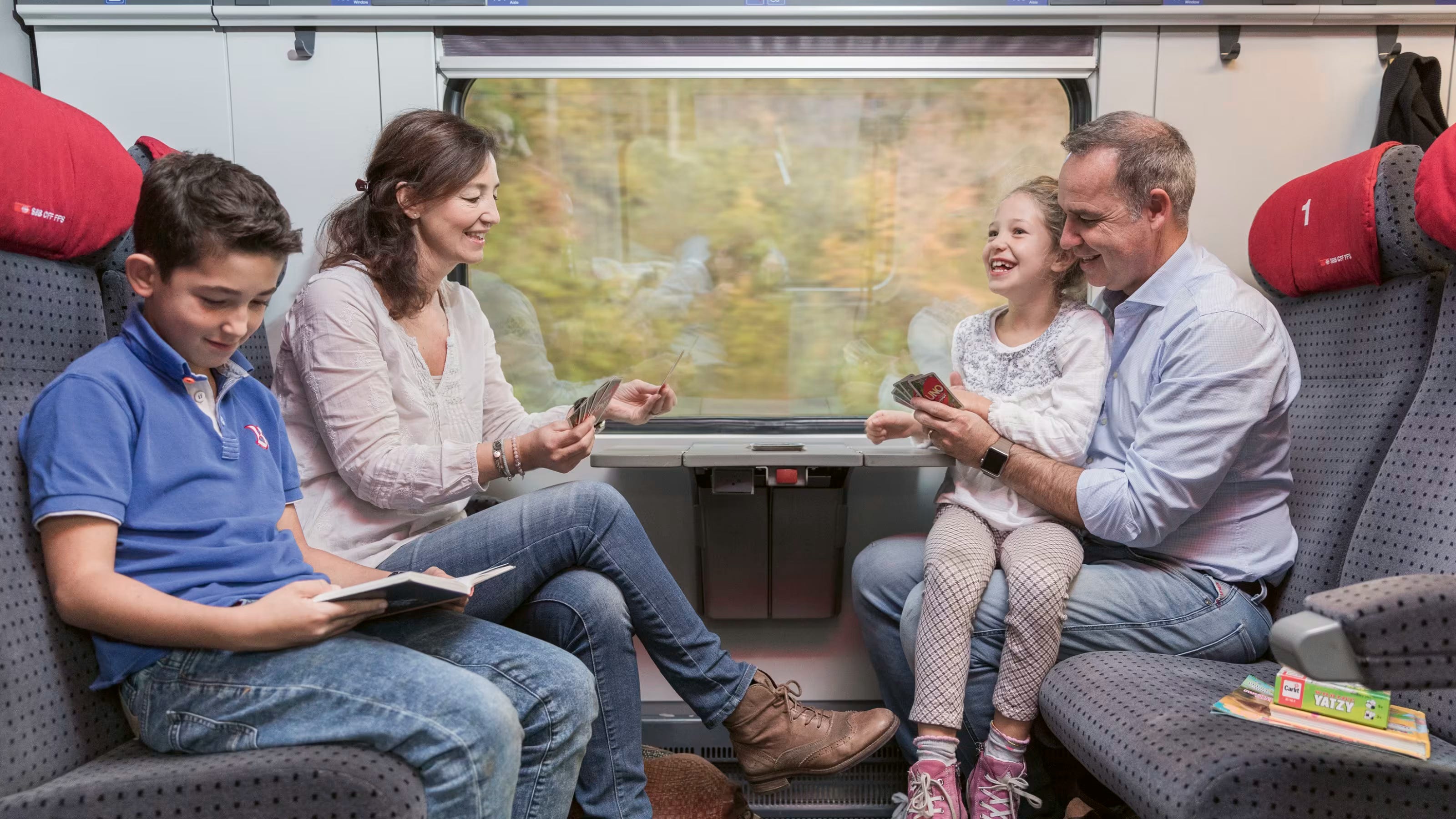
Children under 6 already travel free in Switzerland, and from ages 6 to 15 they get 50% off the standard fare. However, with the Family Card, under 16s also travel free providing they are accompanied by a parent with either a Swiss Travel Pass or Swiss Half Fare Card.
Even better, the Family Card itself is completely free. For families travelling around Switzerland, it’s a must.
Regional and City Passes
Not everyone visiting Switzerland is planning a full country-wide tour, which is where regional passes can be a really good option.
These passes work similarly to the Swiss Travel Pass, but focus on a specific area of Switzerland. You’ll usually get unlimited travel within that region, alongside discounts for any mountain railways or local attractions that aren’t already included free of charge. These discounts are typically more favourable than what you might get with the Swiss Travel Pass, so if you’re spending most of your trip in one area, regional passes often provide much better value.
Some of the most popular options available on SwissPasses.com include:
- Berner Oberland Pass
- Jungfrau Travel Pass
- Lucerne Tell Pass
- Graubünden Pass
- Matterhorn Gotthard Pass
- Lake Geneva Region Pass
- BLS Lake Thun and Lake Brienz Pass
There are also city-focused passes such as the Geneva City Pass and ZürichCARD, which are ideal for shorter breaks. Just click on any of the passes above to find out more about them.
One particularly popular option exclusive to SwissPasses is the ‘Special Offer’ for the Berner Oberland and Jungfrau Travel Passes, which also includes travel from your arrival point in Switzerland and therefore works out much cheaper than buying everything separately.
Different Passes for Different Needs
As you can see, there are plenty of ways to make travelling around Switzerland more affordable, and most people are surprised by what’s on offer to them and how much they can save once they have the right pass.
Whether you’re planning a full Switzerland rail adventure, a mountain holiday in the Bernese Oberland or a short city break, there’s always a pass that fits your trip perfectly. For most first-time visitors travelling between multiple destinations such as Zürich, Lucerne, Interlaken and Zermatt, the Swiss Travel Pass remains the easiest option. In contrast, for visitors spending an entire week in the Jungfrau Region, a Berner Oberland Pass or Jungfrau Travel Pass will provide much better value.
If you’re still unsure which option is best, feel free to get in touch with the team at SwissPasses.com. We’re always happy to recommend the most suitable pass based on your plans.